 EN
EN  LV
LV Breedexpo2 trip to Finland
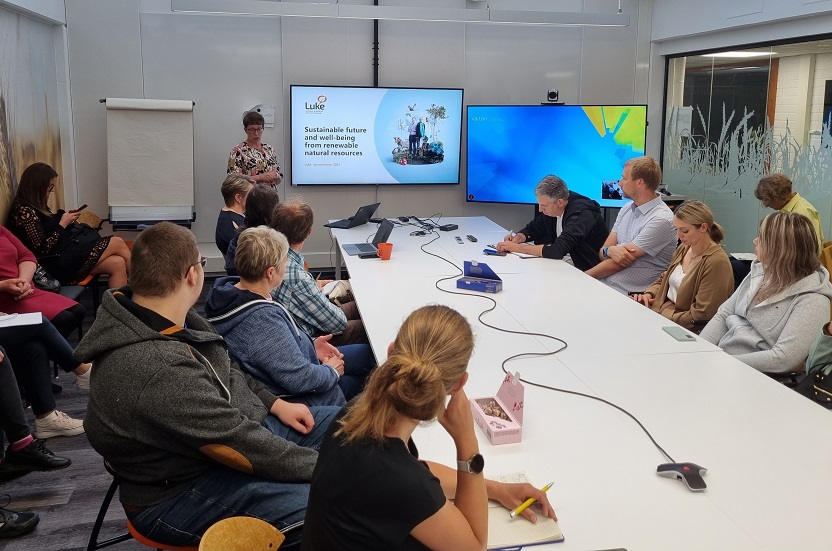
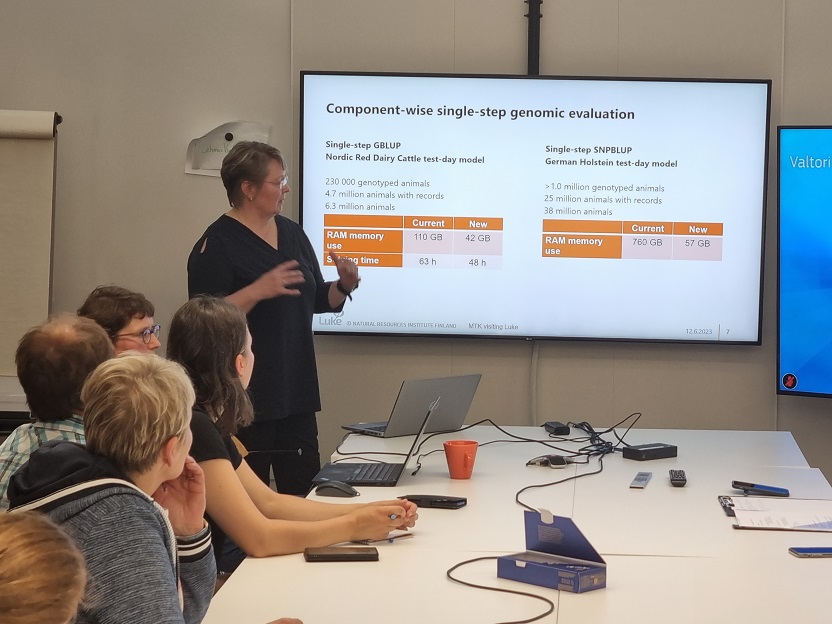
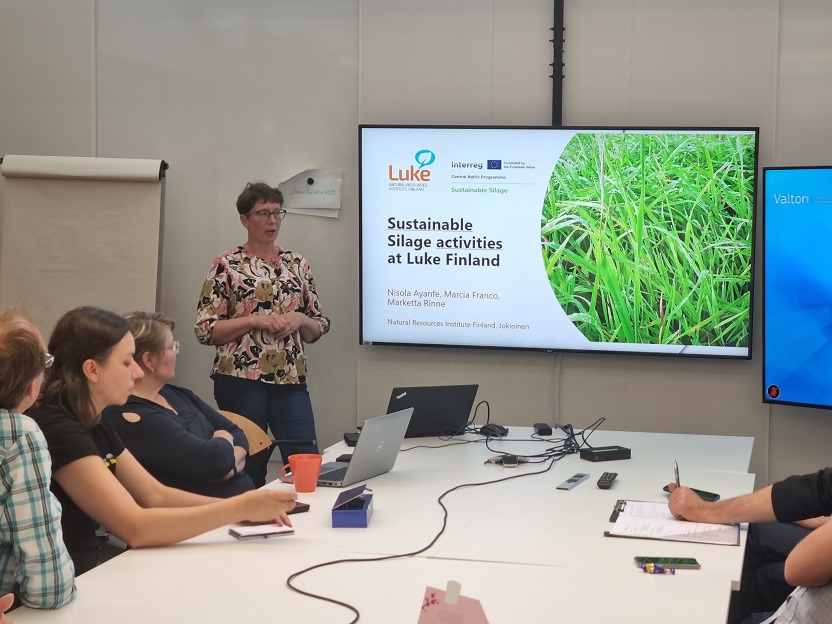
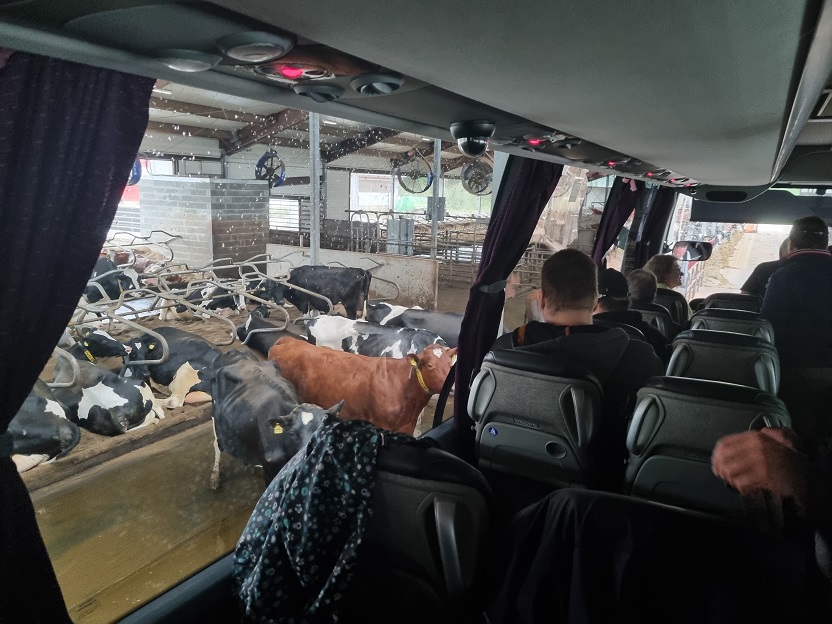
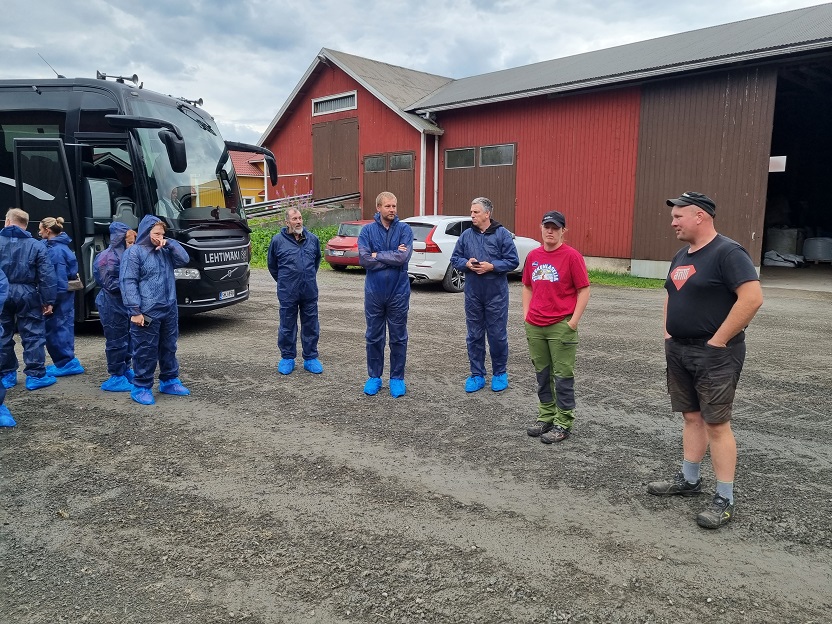
As part of the Breedexpo2 project, a group of farmers traveled to Finland from August 1 to 3 to get to know the Finnish livestock sector. This time, the group included representatives from almost all livestock sectors – dairy farming, beef cattle breeding, sheep farming, and breeding specialists. The unwritten agreement of the Finnish livestock sector stipulates that you are not allowed to visit livestock farms for 48 hours upon arrival in Finland, so on the first day of the visit we visited the cattle breeding organization FABA and the national science institute LUKE, while on the second day, due to the aforementioned precautions, we were taken through a dairy cow barn by large bus.
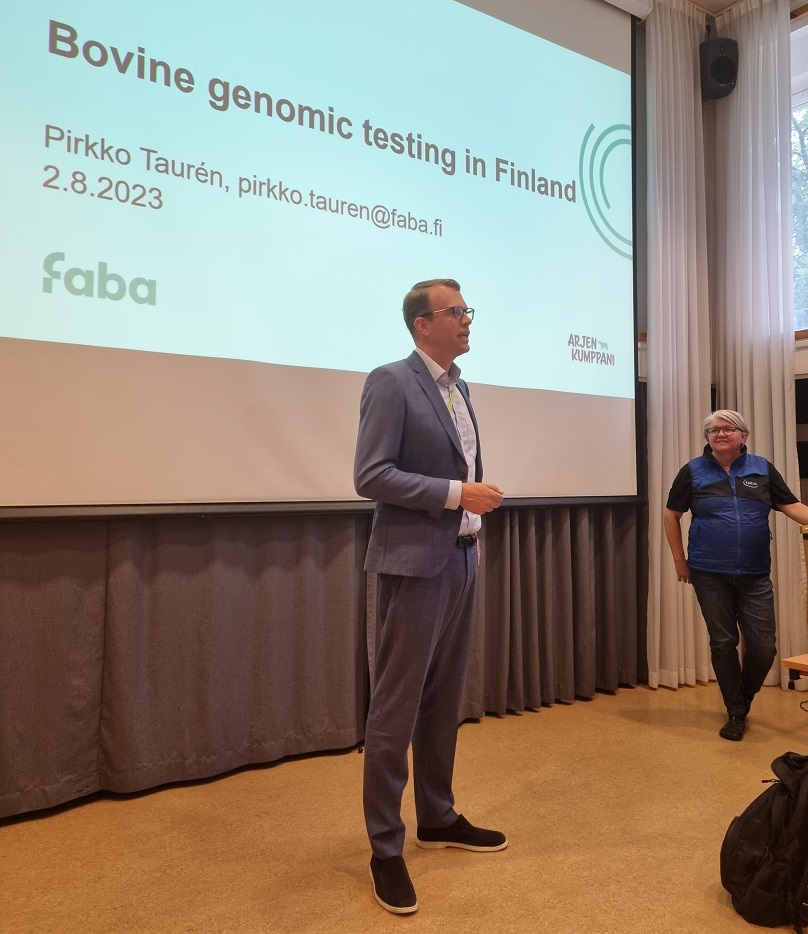
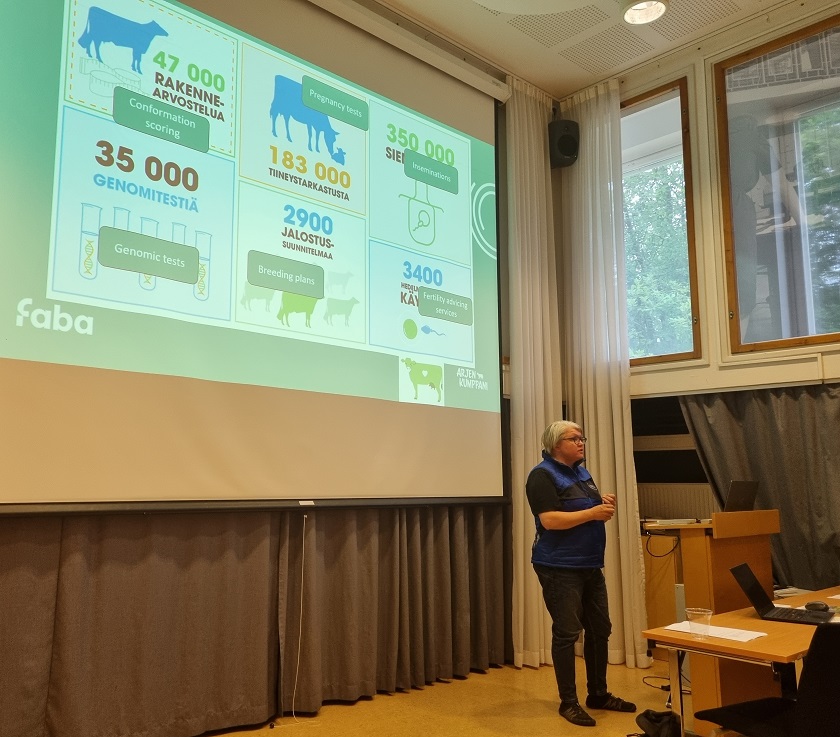
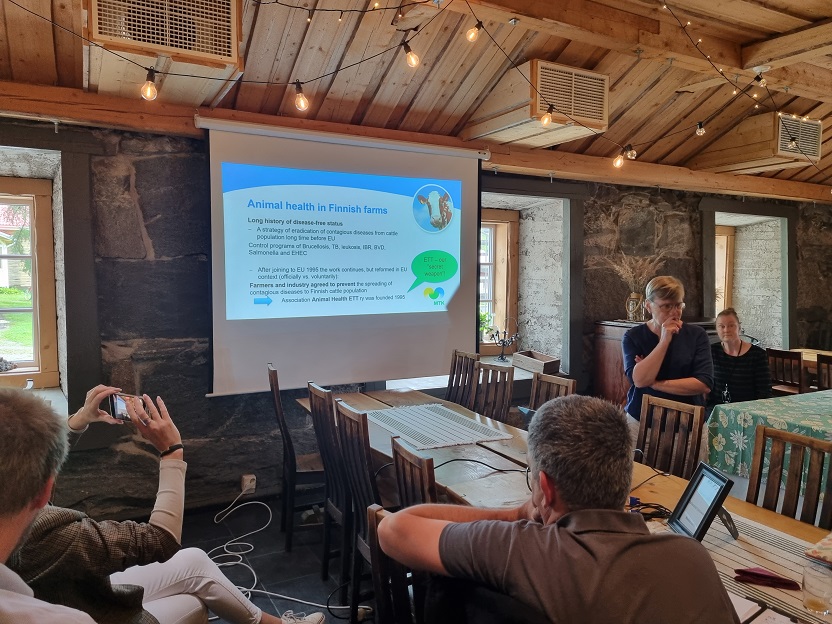
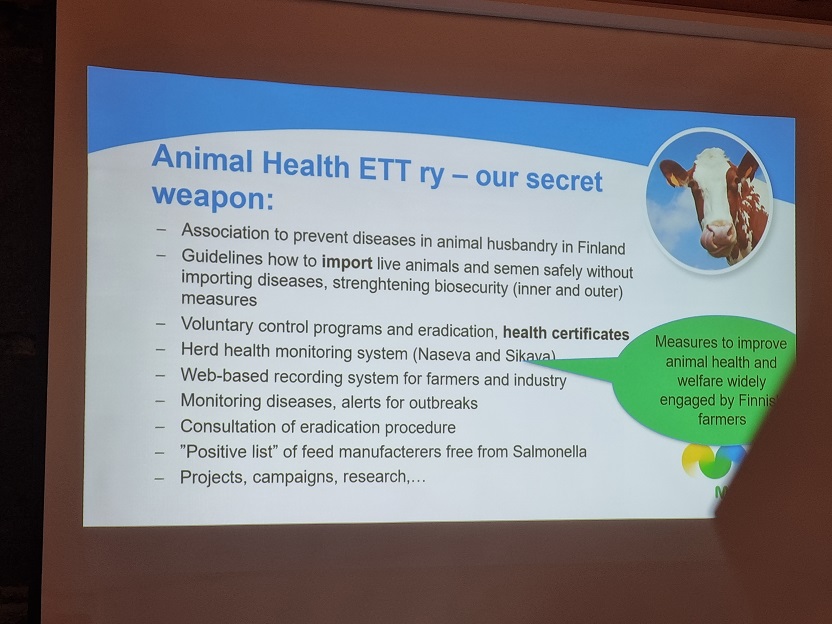
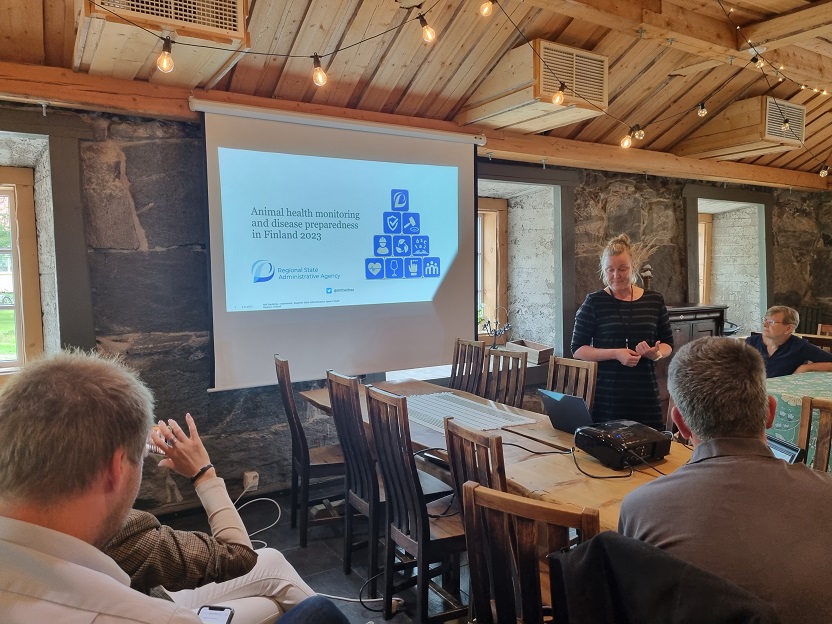
The presentation by the FABA representative was about genomic testing in livestock farms. In Finland, genomic testing has been carried out for dairy cows since 2009, but the first steps in this direction in the beef cattle sector were taken this year. The main reasons for conducting genomic analyses are to increase the genetic quality of herds, to perform accurate selection of animals for breeding and to avoid genetic defects. We were also introduced to the new Finnish livestock welfare requirements, which will come into force in 2024. The new welfare requirements emphasize freedom of movement of livestock (when cows and heifers are kept tied in a barn, they must be provided with walks for 90 days a year during the grazing period (so far the requirement has been 60 days)); continuous access to water; a ban on castration of piglets by surgical methods. We listened to a presentation on the health situation of livestock in Finnish livestock farms. Finland is free from the following diseases: tuberculosis, brucellosis, bovine viral diarrhea, leukemia, bovine spongiform encephalopathy, scrapie, infectious bovine rhinotracheitis, foot-and-mouth disease, bluetongue and Aujeszky's disease. To monitor the health of their herds, herd health surveillance systems are used: Naseva for cattle and Sikava for pigs, the use of which is voluntary. The use of antibiotics for treatment and not prevention is a given in Finland. Despite the responsible approach to the welfare and health of the herds, Finnish herders see respiratory diseases in calves, arthritis and piglet injuries and mastitis in dairy cows as problems.
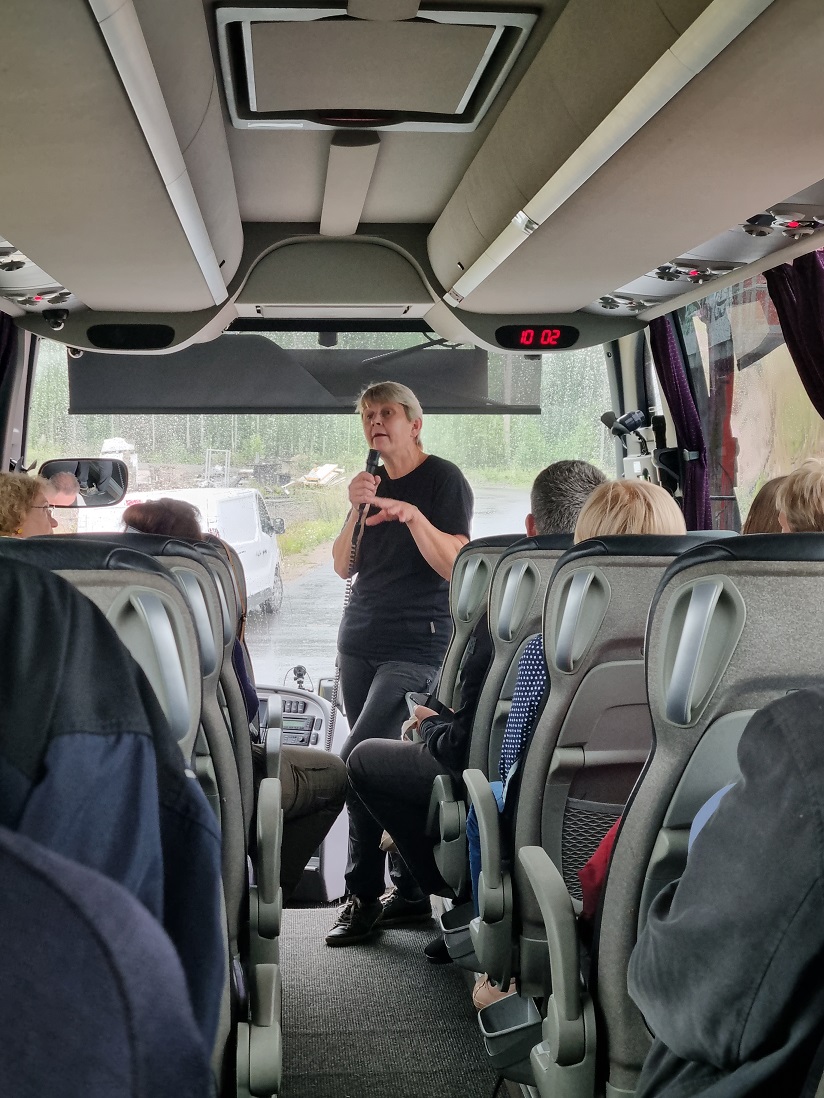
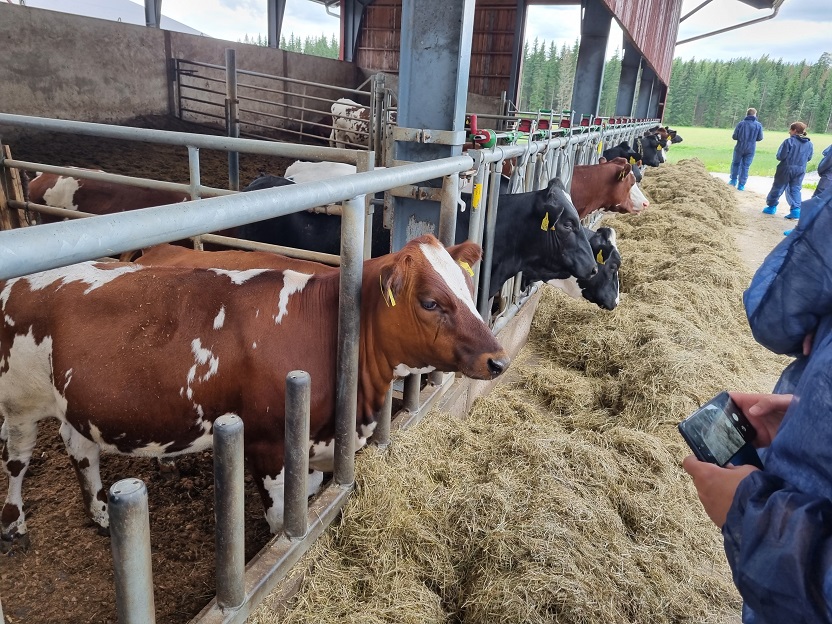
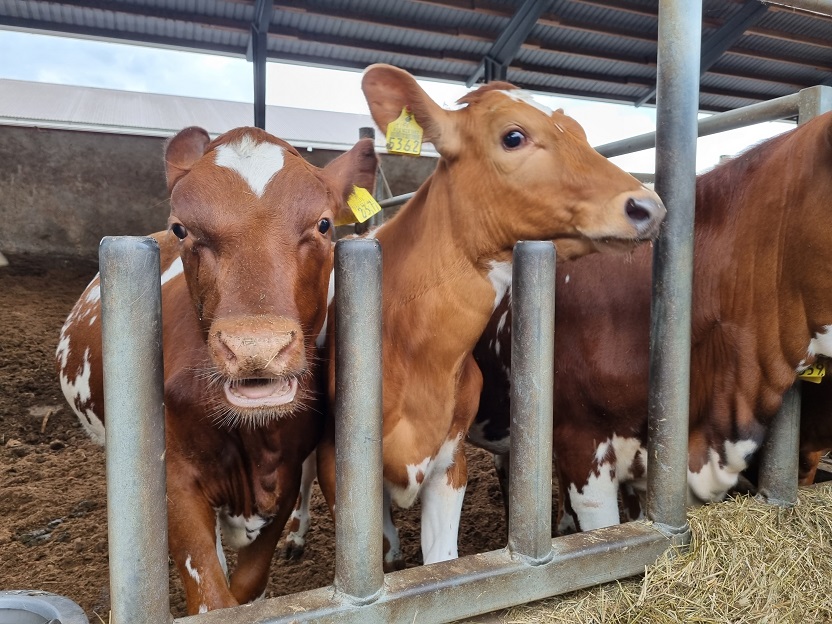
The first stop on the farm tour was the dairy farm “Maitokuortti” OY, which was established by two families who are connected by family ties. Due to the requirements mentioned in the introduction to this article, we are not allowed to leave the bus. The farm representative talks about the farm while standing on the bus and speaking into the microphone. The 600-cow dairy barn was built a couple of years ago and is located in a forest, the nearest neighbor is 700 meters away. Although the barn is in a remote location, it took 2.5 years to obtain all the necessary permits to start construction. The cows are mostly Holstein cows, but the herd also includes Ayrshire and Jersey cows and even some local Finnish cows. When we started work in the new cow barn, we had 400 cows ourselves and 200 cows were purchased. The average milk yield per cow is 12,000 kg of milk per year with a fat content of 4.3 % and protein of 3.6%. Milking takes place in a carousel, where there is space for 20 cows. Cows are milked 3 times a day at 04:00 in the morning, then at 12:30 and 19:00 in the evening. The milk is sold to the cooperative “Valio”. The purchase price of milk is 53 cents per kg. The farm manages 500 ha of land and some remote fields are located as far as 50 km away. 6 employees and some interns are employed. A veterinarian visits the farm every other week and performs a health check on the cows. The insemination of the cows is carried out by the farm itself. Bull semen is purchased from FABA. Some cows are also inseminated with bull semen from meat breeds. Small bulls and calves crossed with beef bulls are sold at 10 days of age. Each heifer undergoes a genomic test. FABA specialists rinse eggs from cows with a high genetic index to obtain embryos. The farm's heifers also participate in exhibitions, where the heifers are taken into the ring by the youngest members of the family. So, without getting off the bus, we move on.
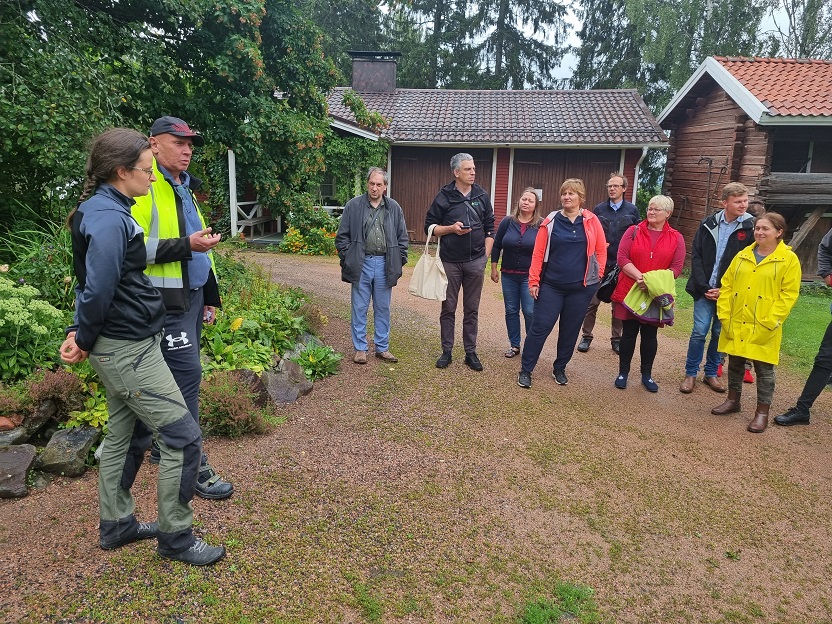
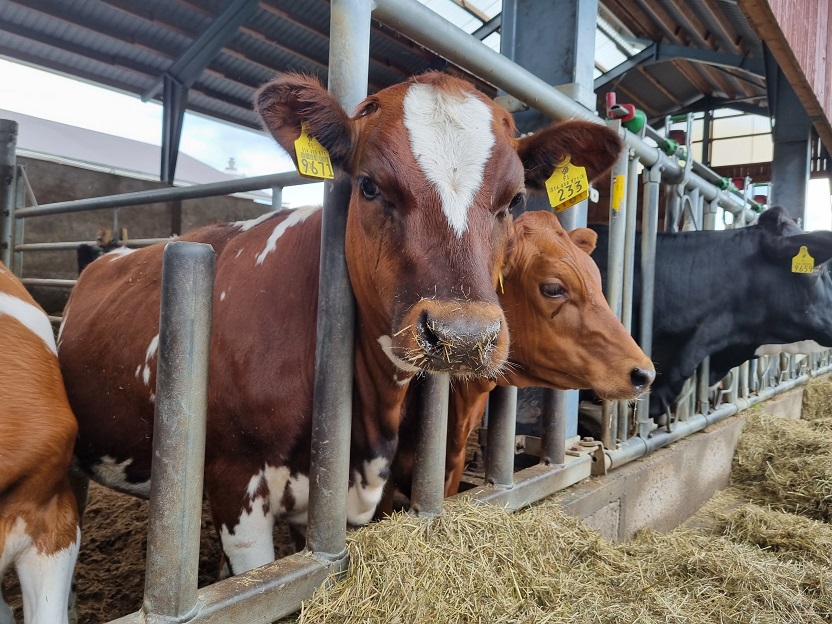
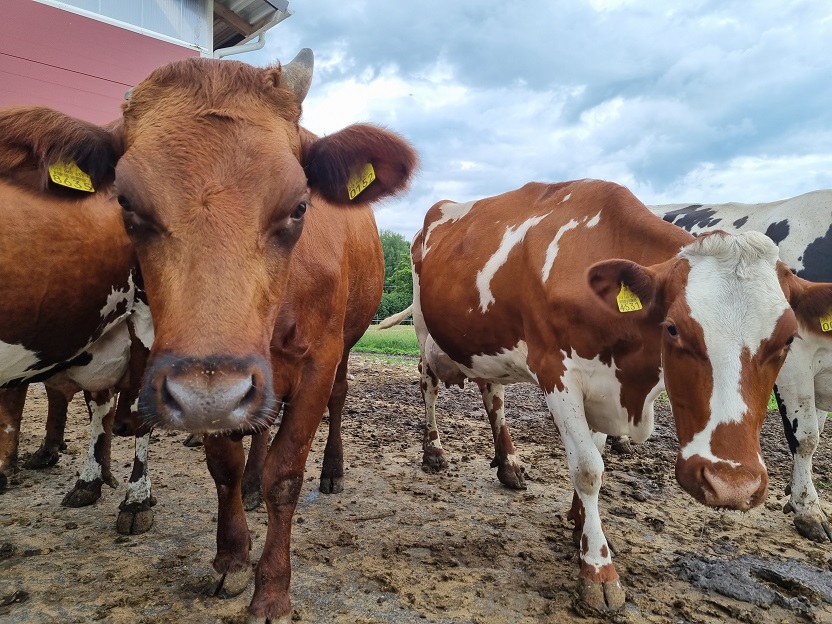
The next stop is at a meadow where a herd of brown and white cattle is grazing. This time, too, due to both the rain and the restrictions, we do not get out of the bus. We watch the cows through the rain-covered bus window, but the owner Jukka Heinäsuo introduces us to his herd while standing in the bus. The farm breeds the East Finnish breed of cows, which is one of the three ancient Finnish cow breeds that came from Karelia. 10 years ago, there were only 400 cows of this breed in Finland, but now this number is already 1,400 cows. The farm keeps 60 cows, but the total number of East Finnish breed cattle is 140. All bulls are castrated. Cows of this breed are not dairy, but the meat that comes from cattle of this breed is said to be very tasty, so the calves drink the cow's milk. The farm manages 160 ha of land and works with organic methods. The animals are fed only with pasture grass in the summer, and with hay in the winter. Concentrated feed is not given. The average weight of a 20-month-old castrated carcass is 180 kg. Since animals of this breed weigh much less than animals of more common breeds, they are not interesting for slaughterhouses. The owner sells meat in direct sales, supplying independent customers once a month.
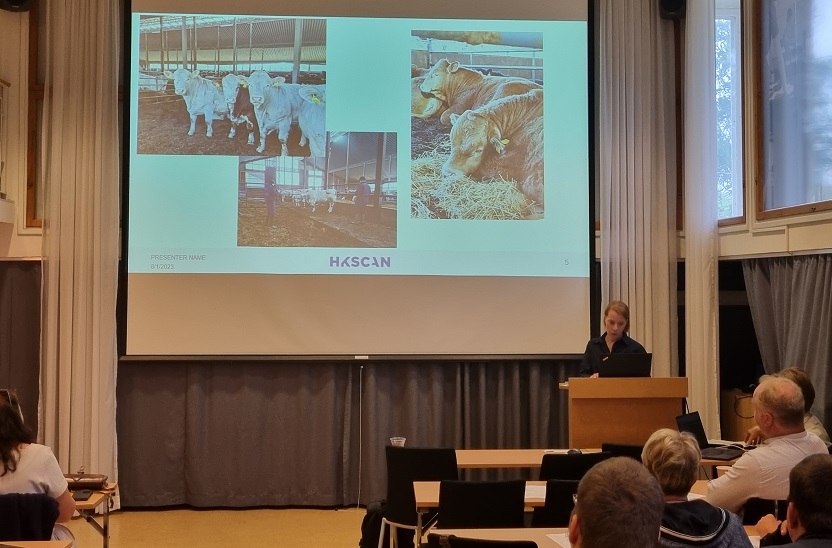
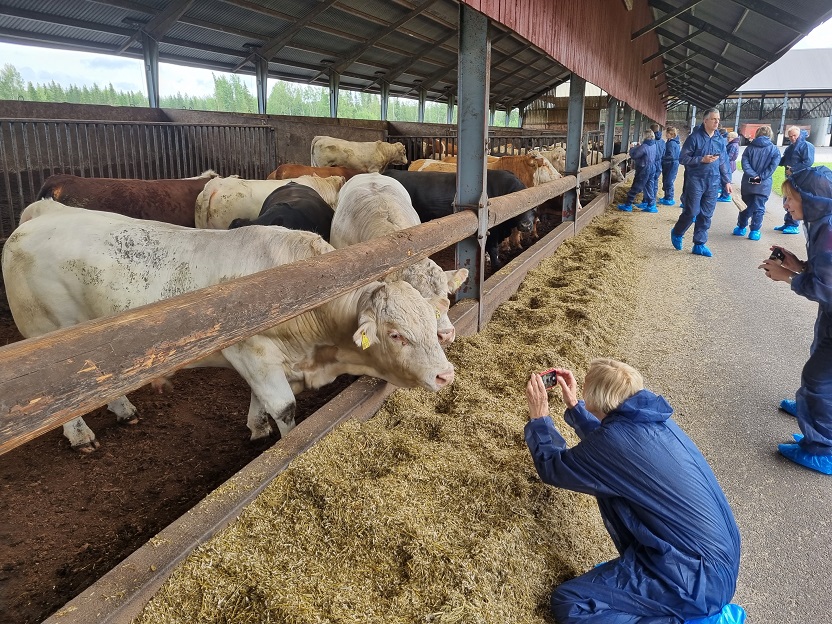
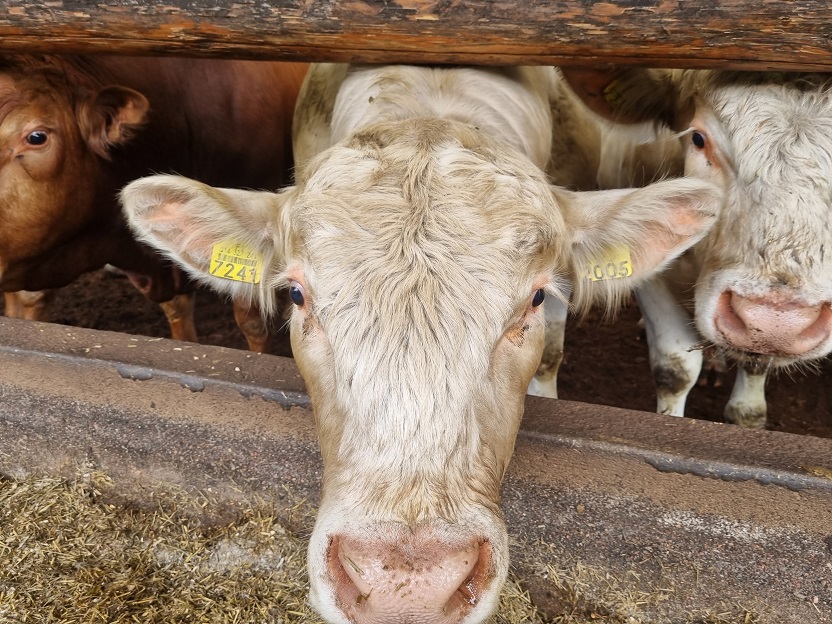
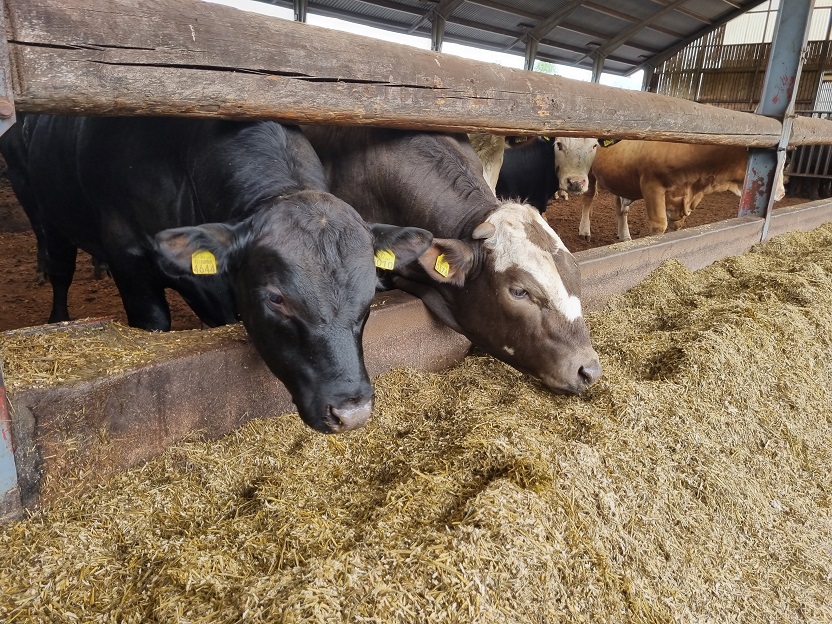
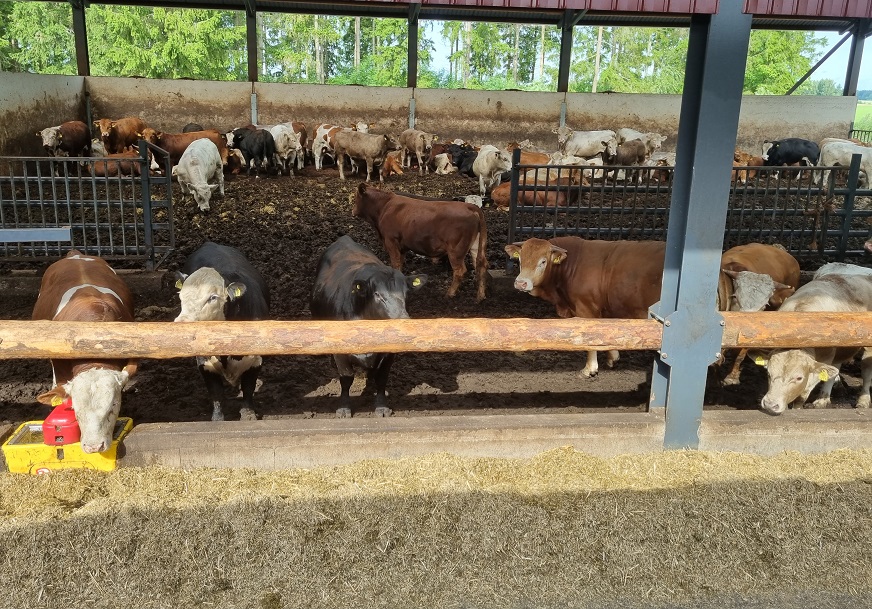
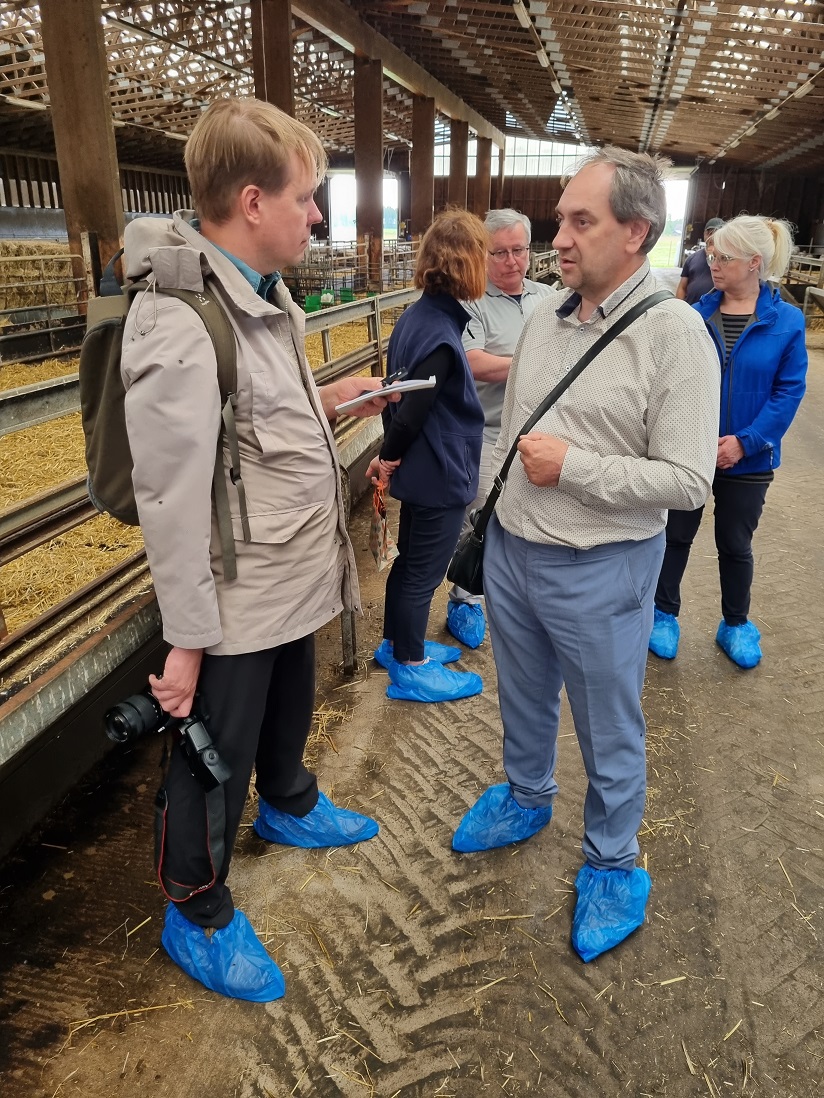
We start the last day of the visit with a visit to the Lankisen tila OY beef cattle fattening farm, where 650 bulls are fattened. The farm buys bulls at the age of 6-8 months from other farms and, as the owner Tiina Varho-Lankinen tells us, pays around EUR 1,000 + VAT for one bull. Bulls are bought every month. The breeds and their crosses are very diverse, but the owners themselves prefer the Charolais and Limousin breeds. The bulls are fattened until they are 18-20 months old with an average carcass weight of 469 kg and sold to the HKSCAN slaughterhouse, and further in stores the meat of bulls raised on this farm can be purchased under the “Tamminen” trademark. The slaughterhouse pays EUR 5.0 per kilogram of meat. During the fattening of bulls, the feed ration is not changed and consists of grass silage, fermented barley, oats and sugar beet cuttings. During the year, 1000 tons of grain, 1300 tons of sugar beet cuttings, 4000 tons of silage are fed. Bulls are not weighed on the farm, but the slaughterhouse sends information about the daily increase in carcass weight, which is 670 grams.
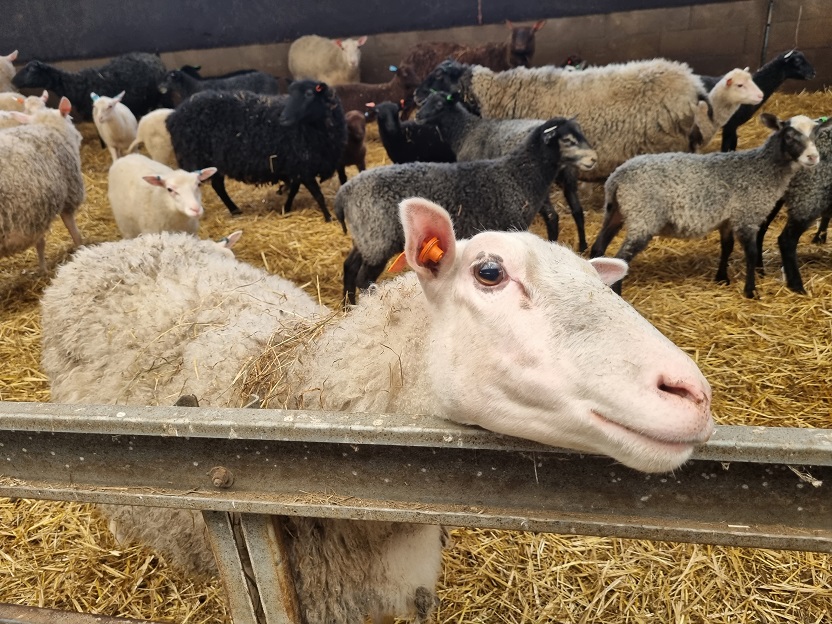
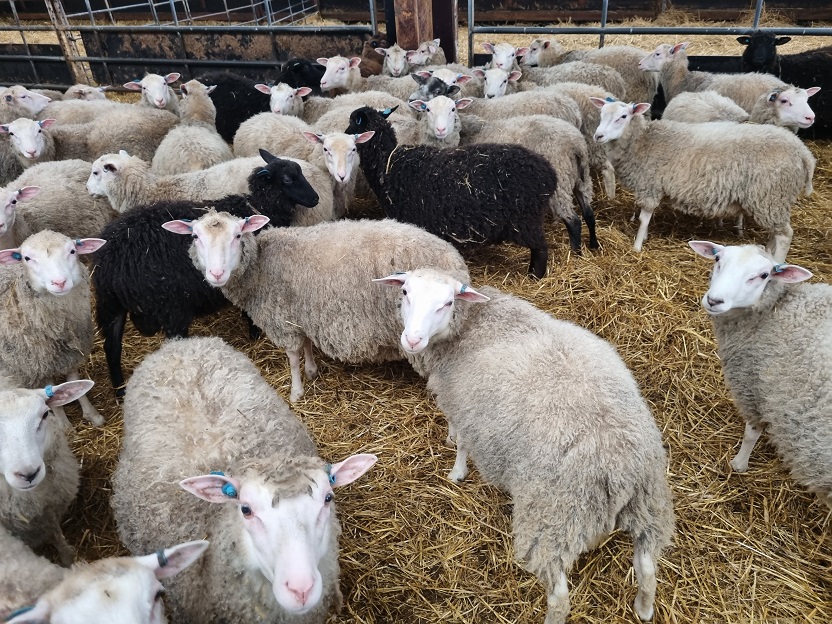
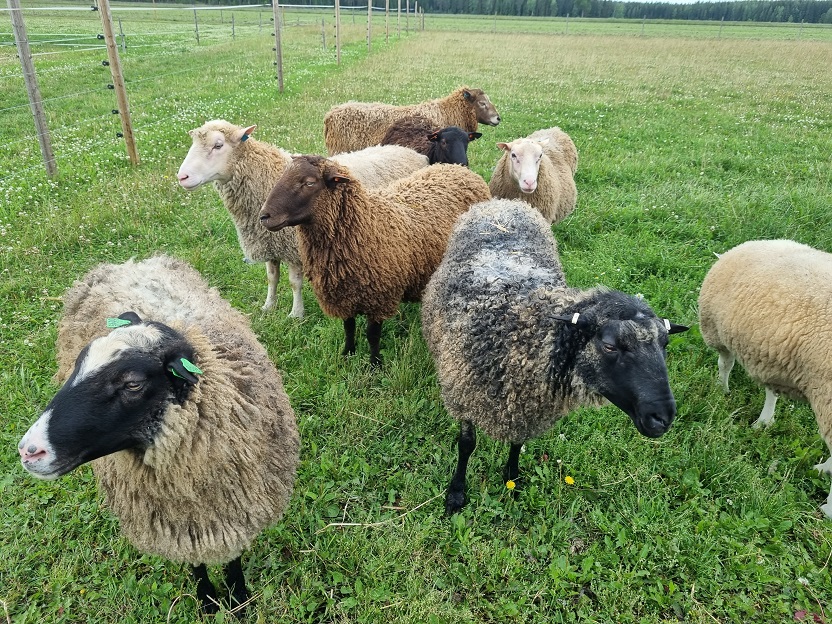
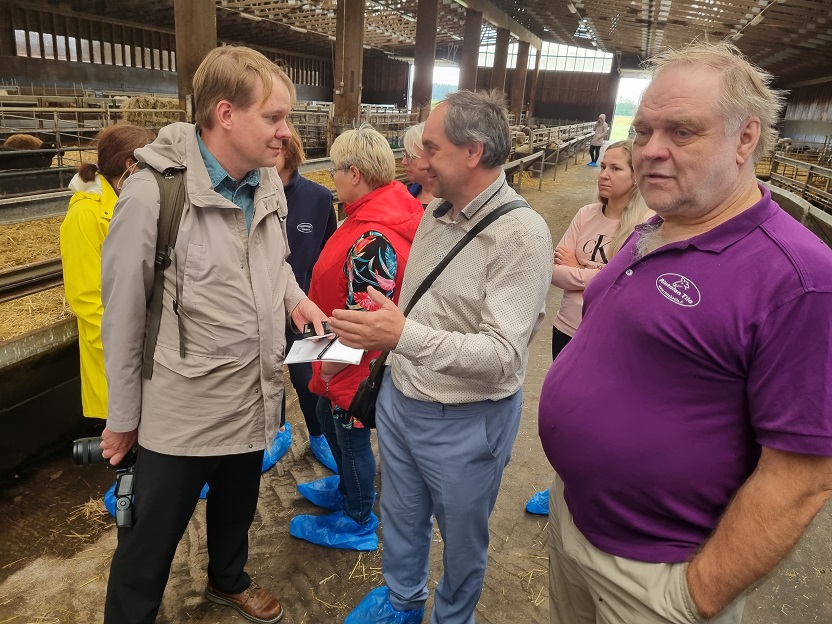
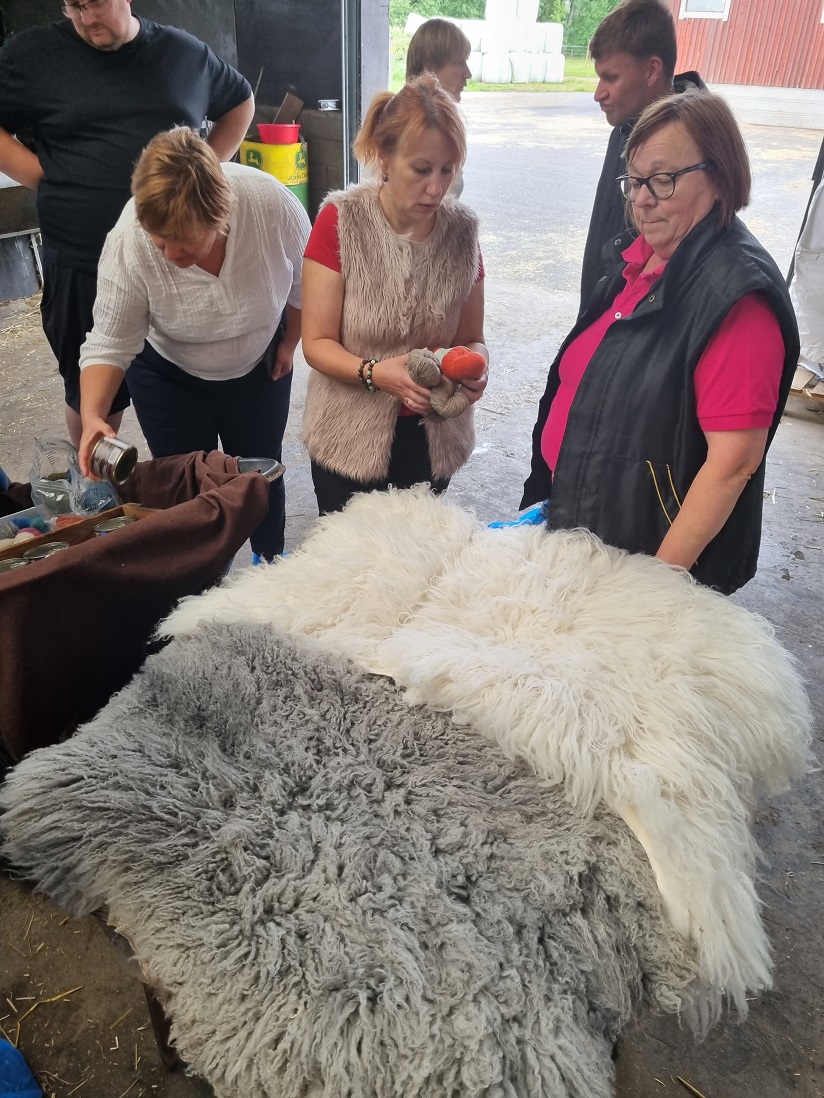
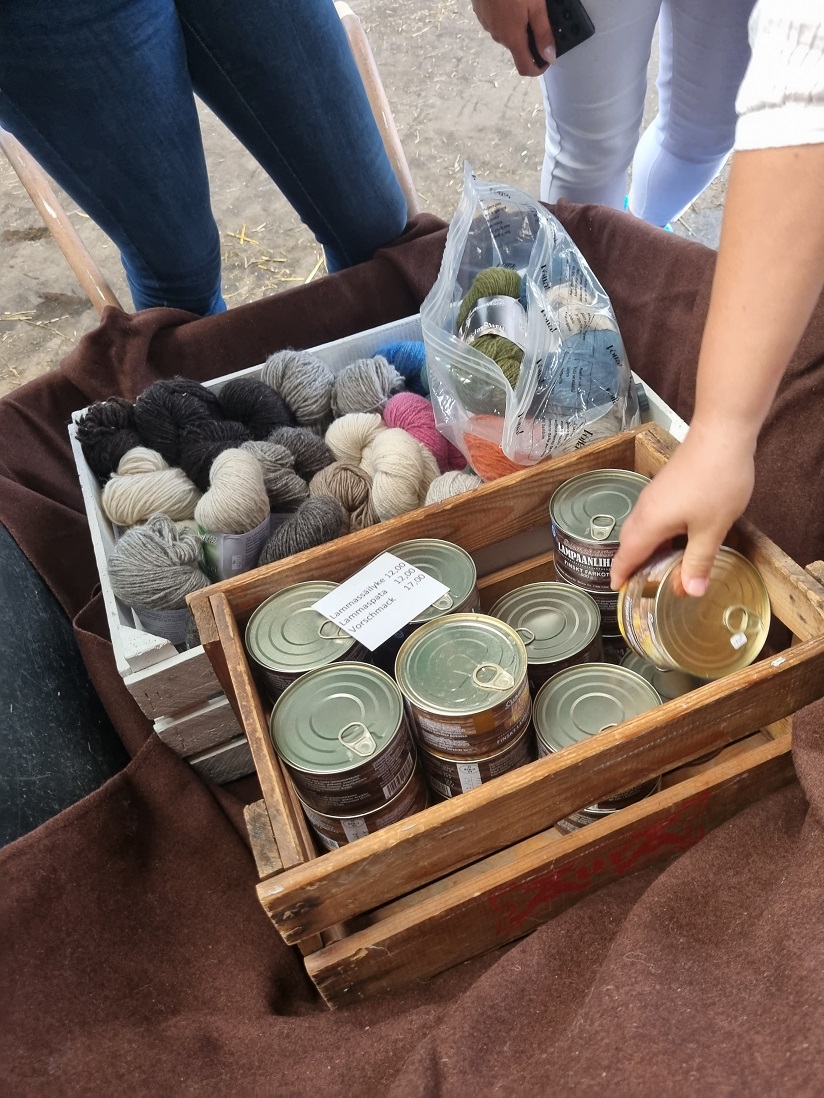
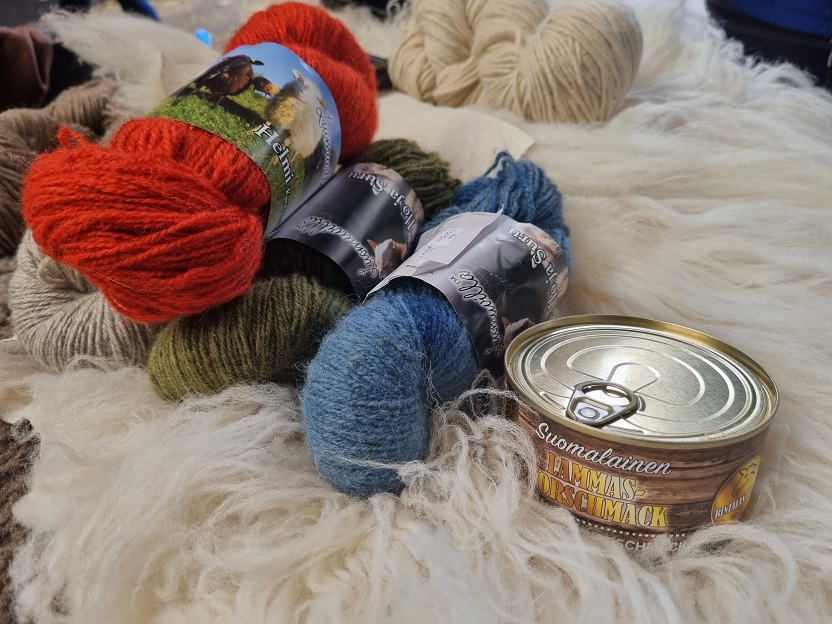
We also stop by the sheep breeding farm “Rintalan tila”, where we are welcomed by the owners Tapio and Anne, who have been farming for 40 years, but have now handed over their farm to their son. They have been working with organic methods for 20 years, but they started their farming with 5 sheep, but now the number of ewes is around 400 and the total number of sheep on the farm is around 800. The farm breeds Finnish sheep, or Finnish Landrace sheep. Sheep of this breed give birth to 3 lambs on average, but the record holder has had as many as 6 lambs in one litter. The management of the sheep herd is organized so that lambs are born 3 times a year – in February, May and September, which means that the herd of ewes is grouped into 3 different groups. Such grouping is organized so that the owners can offer lamb to buyers all year round. After weaning from the ewes, the lambs are fattened in a barn. Lamb meat is sold both in direct sales and to the slaughterhouse. 20 lamb carcasses are sold each week. The price of a lamb carcass is EUR 7.0/kg. The main market for direct sales is Helsinki. Mutton is not easy to find in stores, as there is little demand and the number of sheep in Finland is small. Sheep used to be on almost every farm. The wool is processed into yarn. The price of wool has risen in recent years and is now EUR 5.0/kg, because during the Covid pandemic people started knitting more. In the sale of lambs, the farm earns 70% of income from lamb meat and the remaining 30% from wool and skins. The carcass weight of a lamb when sold to the slaughterhouse is 18 kg and more, because then there is EU support of about EUR 30 per carcass. Such a subsidy promotes the production of high-quality mutton. Just like in our country, in Finland, sheep farmers are also faced with wolf attacks, so ewes keep their lambs in a pen. Finnish sheep farmers faced wolf attacks in the early 2000s, before that wolves had been shot and wolf attacks on livestock had not been observed for about 100 years. To protect sheep grazing from wolves, an electric fence is placed around all pastures in 7 layers. The animals do not stay in the pasture at night, but are herded into pens. This year, there have been 6-7 attacks on sheep flocks in Finland. Herding dogs are not useful, because since sheep are kept in several groups, a large number of dogs would be needed to be able to protect the sheep. Dogs are not the solution to the wolf problem, the owner believes. The only solution is to reduce the number of wolves. Wolves that enter the pen should be allowed to hunt freely. The increase in the number of wolves in Finland reaches 20% every year, in Germany the increase is as high as 25%. There is a lot of work to protect the herd from wolves. Every evening the herd has to be driven into the barn, the grass under the electric fence has to be cut 3-4 times a year, the total length of the electric fence on this farm is 4 km. In Finland, sheep farmers also have state compensation for damage caused by wolves. Support can be obtained, but the bureaucracy takes time until it is received. The support is for sheep lost in wolf attacks and the purchase of protective materials (for installing pens) against wolf attacks, but only after a specific case.
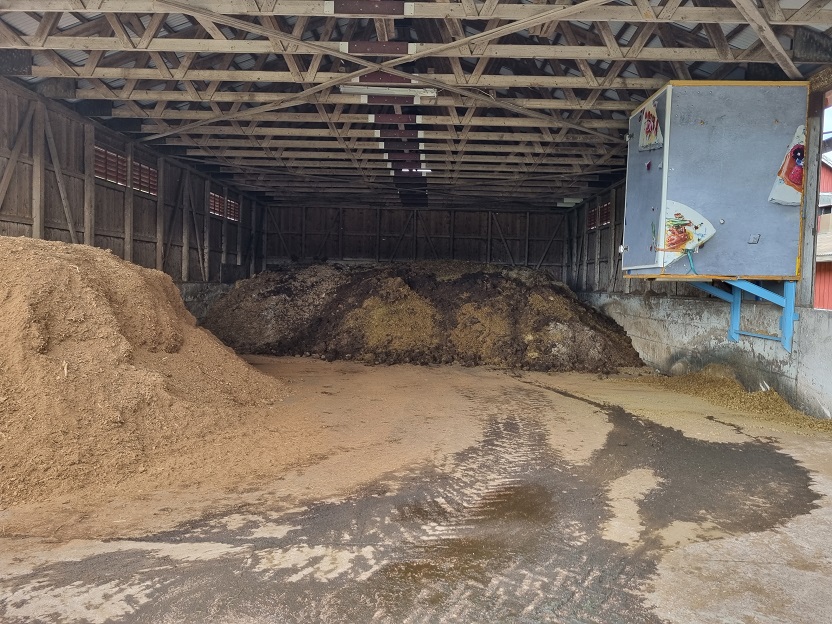
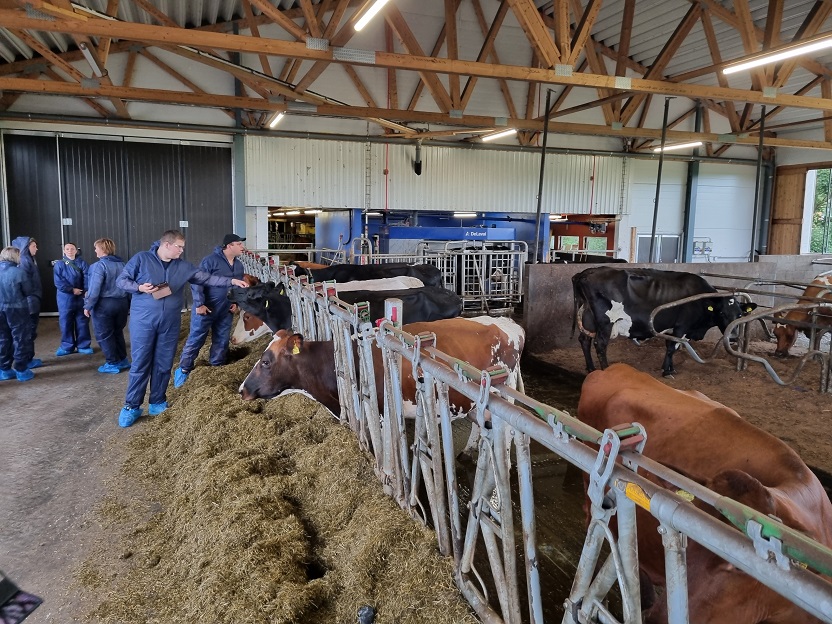
The last stop on this journey is a small family dairy farm run by Hanna and Juha. 55 cows have been milked by a milking robot for 2 years. The farm raises Ayrshire, Holstein and dairy crossbreed cows. To increase the herd, heifers are bred, which live in a calf shed from the age of 3 months, which they leave when they become cows. The average milk yield per cow is 10,500 kg of milk per year. The fat content is 4.5% and the protein content is 3.6%. The somatic cell count is below 100,000. The owners inseminate the cows themselves. They manage 100 ha of land, where they grow grass for silage and cereals for concentrated feed. The liquid manure from the dairy cows is separated and the dry fraction is used for bedding. This farm also sells its milk to Valio, which pays 53 cents per liter of milk. The price of milk is also subject to surcharges, which depend on the quality of the milk.
PRESENTATIONS:
LUKE, Animal breeding research in Luke / Riitta Kempe
LUKE, Ruminant production research focus at Natural Resources Institute Finland / Marketta Rinne
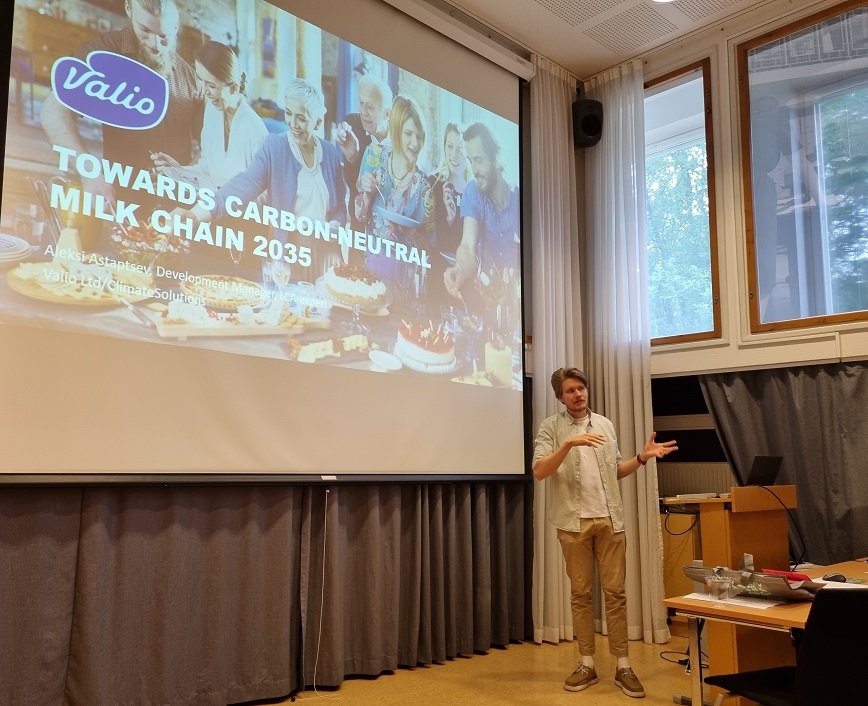
VALIO, TOWARDS CARBON NEUTRAL MILK CHAIN 2035 / Aleksi Astaptsev
HKSCAN, Breeding bull station / Päivi Anttila
FABA, Bovine genomic testing in Finland / Pirkko Taurén
MTK, Animal health in Finnish farms
MTK, Finland's new national Animal Welfare Act
FARMRes, Mental health resilience for farmers / Virve Hindström