 EN
EN  LV
LV As the spring/summer season begins, roadside mowing becomes a hot topic. In order to preserve biodiversity and reduce mowing costs, the association “Zemnieku saeima” calls on farmers, municipalities and state road managers to mow roadsides and ditches no more than 2 times a season – after the summer solstice in early July and September. Late mowing allows plants to bloom and reproduce, provides habitat for natural pollinators and nesting sites for small birds.
Maira Dzelzkalēja-Burmistre, Deputy Chairwoman of the Association “Farmers’ Council”: "Last year, members of the “Farmers’ Parliament” expressed their outrage at the exaggerated roadside mowing boom that has taken over Latvia. We contacted both municipalities and JSC “Latvijas Valsts ceļi”. We received a response – everything was planned – nothing can be changed. This year, intensive mowing will continue. We would like to remind those who are diligent mowing – if you mow ditches thoughtlessly and too early, bird nests will die and, most importantly, plant diversity will significantly decrease. This spring’s early mowing has already resulted in success, namely, when dry weather sets in, the roadsides have turned into burnt-out deserts. In addition, biodiversity is being reduced, because plants are not allowed to bloom, they do not set seeds. Let’s not exaggerate – we will mow ditches only after Midsummer, so that there is some Midsummer grass for the grass-lovers and we will not waste unnecessary funds where it is not needed.”
Intensive mowing of roadsides and ditches is a legacy of the “Soviet era”, because such were the standards of beauty and economy. Now would be the time to look at what is happening beyond the borders of Latvia in the west and Scandinavia. There, in the last decade, roadsides have turned into strips of flowering natural plants, which delight motorists with their splendor and make a significant contribution to the preservation of biodiversity. True, in many places in Western countries, significant stocks of weed seeds no longer remain in the soil, and in many places, when renovating and building new roads, these mixtures of flowering plants are specially sown. In Latvia, we can still avoid future investments, if only we understand now that flowering dandelions, dogwoods, poppies, daisies, etc. are of greater value.
PRes_Improper roadside mowing reduces biodiversity
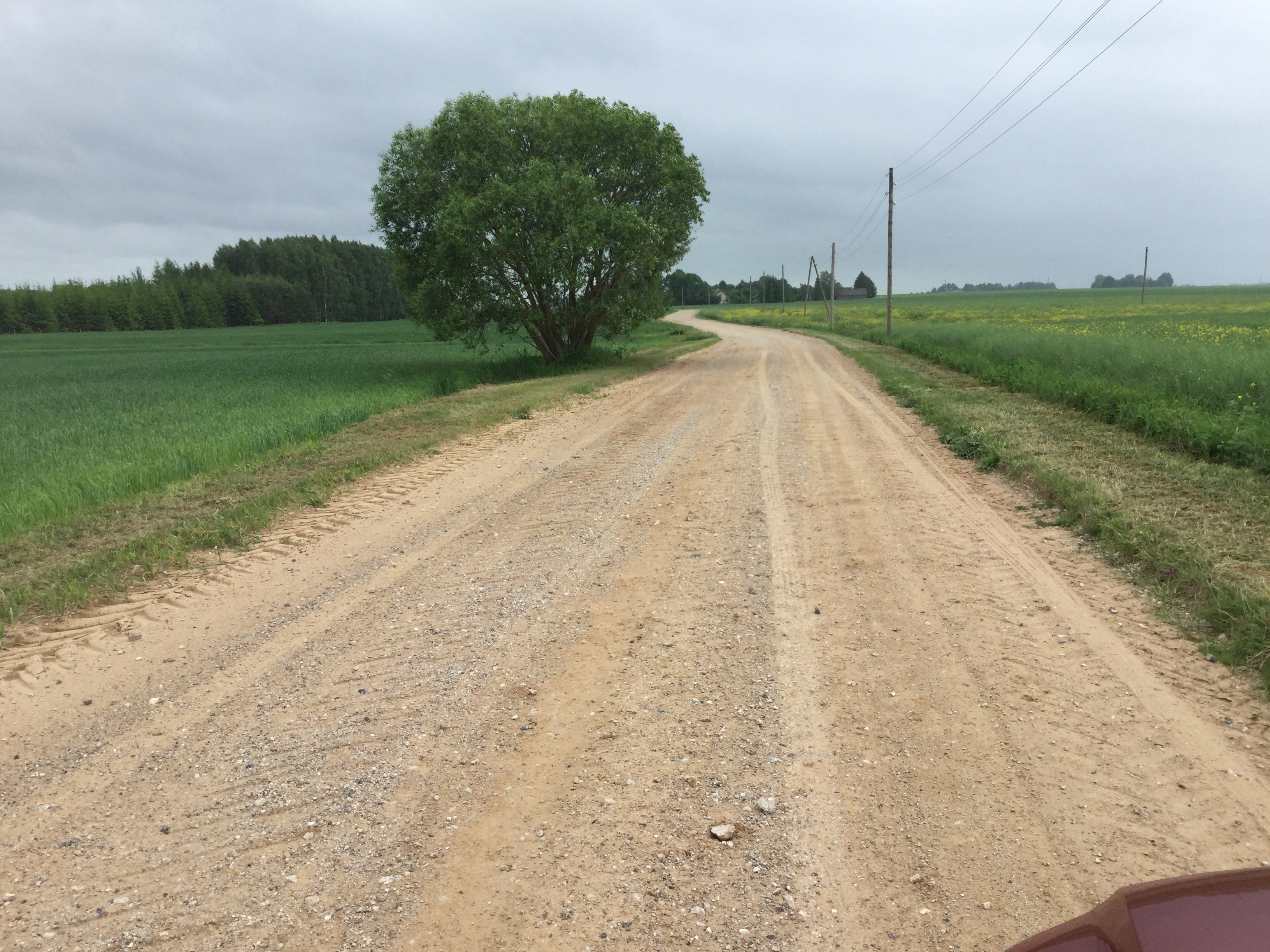
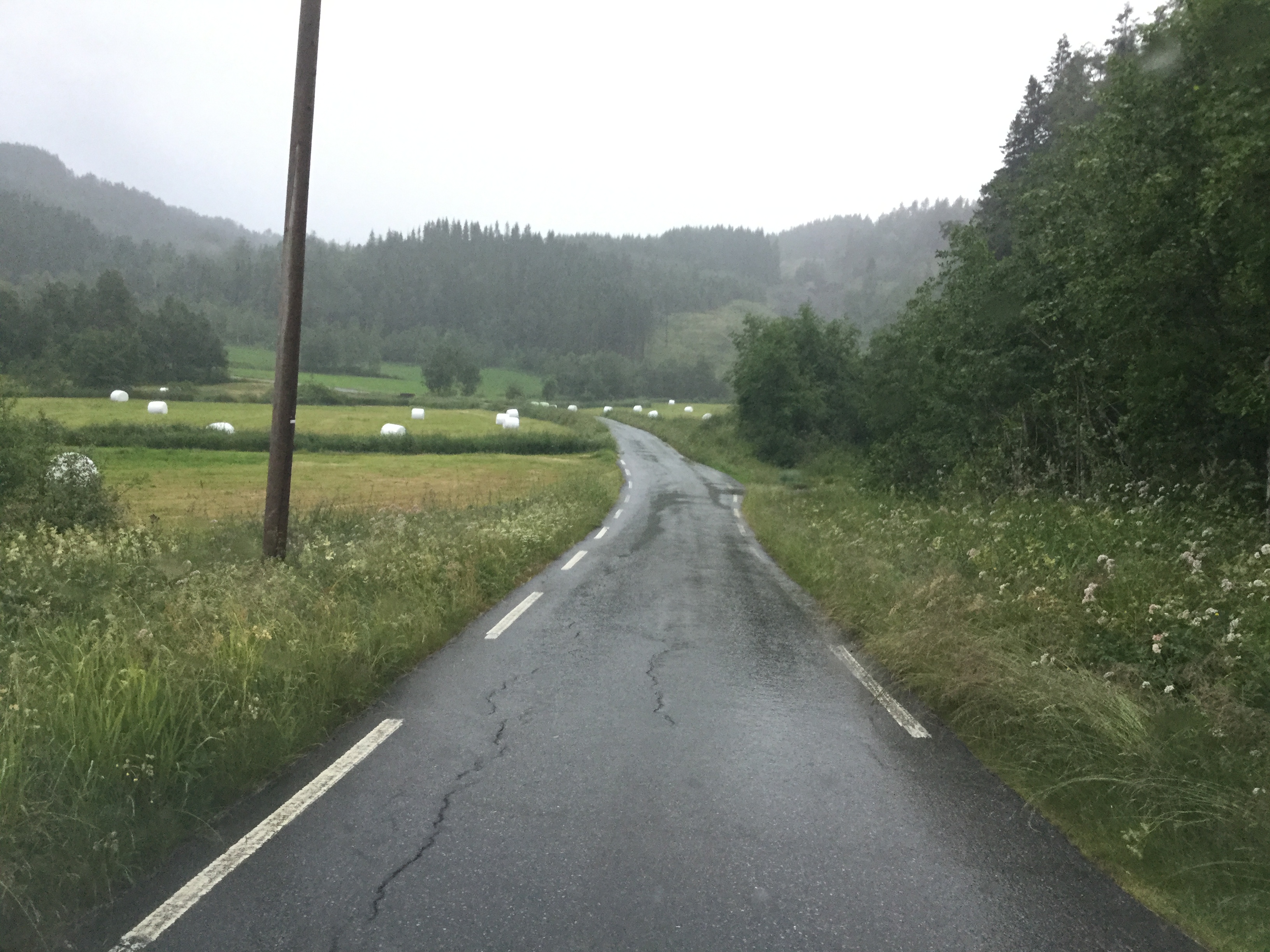
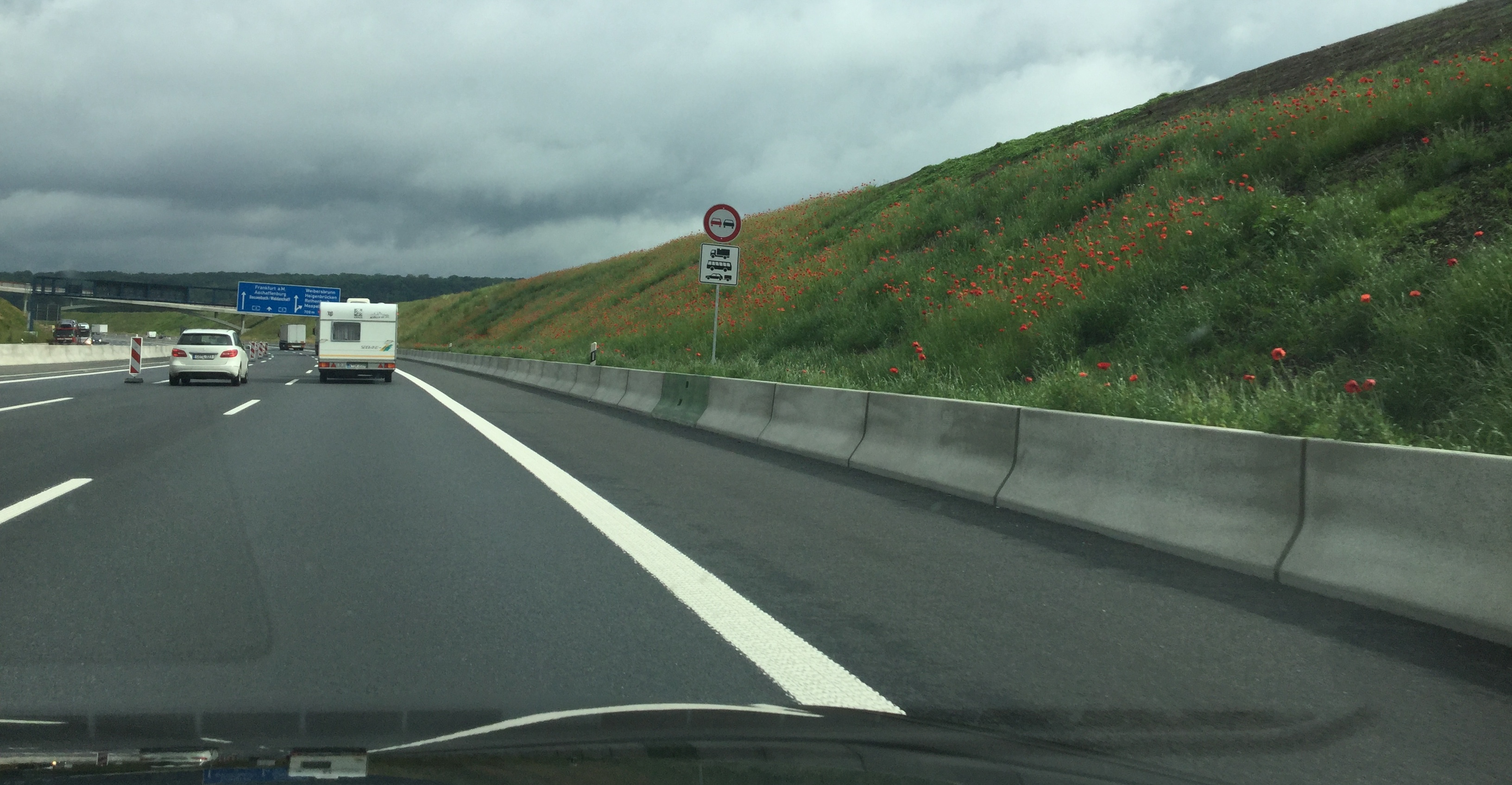
Photo: Roadsides in Latvia, Norway and Germany.